Quick Stats
Height: 5' 9"
Starting Weight: 188
Current Weight: 175
Goal Weight: 140
Pounds Lost: 13
Since: 8/18/01
My Pages
Home
Progress Pics
Exercise Log
Weight Loss Chart
Inches Lost Chart
| September 2001 | ||||||
| S | M | T | W | T | F | S |
| 1 | ||||||
| 2 | 3 | 4 | 5 | 6 | 7 | 8 |
| 9 | 10 | 11 | 12 | 13 | 14 | 15 |
| 16 | 17 | 18 | 19 | 20 | 21 | 22 |
| 23 | 24 | 25 | 26 | 27 | 28 | 29 |
| 30 | ||||||
Archives
January
December
November
October
September
August
Sources of Inspiration
Bev
Crystal
Heather
Trish
Kandee
Dyane
Sara
Gepetto
Maria
Corinna
Shauna
Lor
Alex
Gina
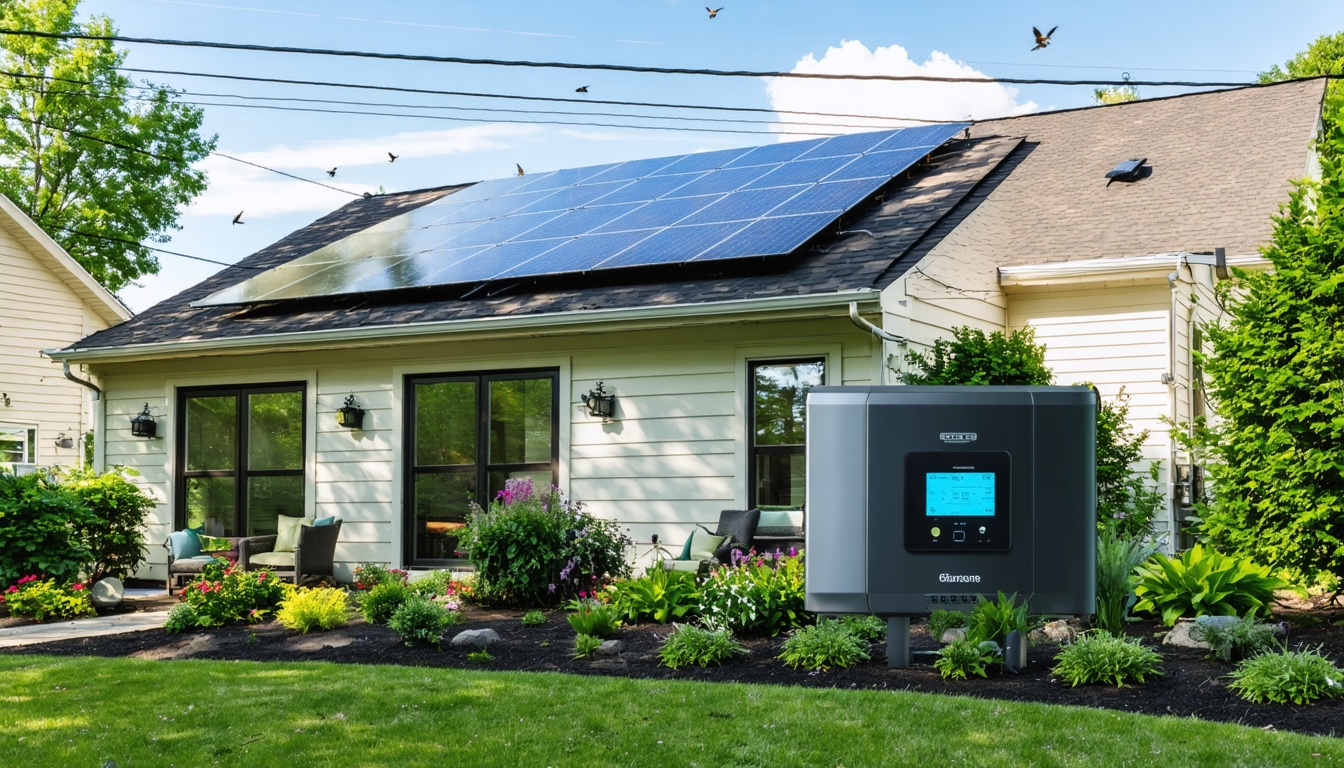 What a More Resilient Home Energy Plan Looks Like in Charlotte, North CarolinaTo develop a more resilient home energy plan in Charlotte, it's essential to focus on practical measures that address the region's evolving climate and population growth. The plan should consider upgrading insulation, implementing smart technologies, and integrating renewable energy sources. Evaluation of local support programs and financial incentives can significantly impact the decision-making process regarding residential energy improvements. When determining which strategies might be suitable for your home, it is crucial to analyze the specific needs based on your property type, existing energy systems, and overall budget. For instance, insulation upgrades can enhance energy efficiency and reduce heating and cooling costs, while smart technology can provide better energy management and usage monitoring. Moreover, the incorporation of solar panels or other renewable options can offer longer-term savings, although initial installation costs should be considered. It is advisable to consult with local energy experts or utilize city resources to better understand available tools and programs tailored to homeowners in Charlotte. This can help make informed decisions and ensure that the chosen energy strategies align with both environmental goals and financial feasibility. Utility MenuResidents of Charlotte interested in improving their homes' energy efficiency can access the city's Utility Menu, which includes a range of programs designed to lower utility costs and reduce carbon emissions, such as those offered by solarpanelscharlotte.com for solar panel installation and other renewable energy solutions. The Energy Saver North Carolina initiative offers rebates for enhancements related to heating, cooling, insulation, and appliances, which collectively improve a home's energy performance. Notable programs such as HOMES and HEAR provide substantial financial incentives, with potential benefits up to $30,000 for investments in electrification, air sealing, and heat pump installation. These financial incentives are applicable to both renters and homeowners, facilitating upgrades that can lead to more efficient energy management and decreased greenhouse gas emissions. For additional information or specific questions, it is recommended to contact the city through the available communication options concerning community engagement or utility programs. The BenefitsImplementing a comprehensive home energy strategy in Charlotte offers several measurable benefits, including lower utility expenses and enhanced comfort across different seasons. By participating in programs such as HOMES and HEAR, individuals can obtain financial incentives for investments in energy-efficient appliances, improved insulation, effective sealing, and advanced heating and cooling options, particularly heat pumps. The Energy Saver North Carolina initiative provides no-cost home assessments and advocates for electrification, serving the interests of both renters and homeowners. These upgrades enhance the energy efficiency of residential properties and contribute to the city's goals for reducing greenhouse gas emissions. Moreover, fostering community involvement in these initiatives can lead to job creation, promote equitable access to energy resources, and improve public safety. This framework encourages residents to gain knowledge about energy-saving practices, make informed decisions regarding their purchases, and recognize their potential savings. How it WorksNavigating Charlotte’s energy landscape requires a systematic approach to understanding key steps that can improve home resilience. Energy Saver North Carolina provides guidance on enhancing a home's efficiency through a variety of upgrades, including insulation, air sealing, heating and cooling systems, as well as electrification initiatives. Financial assistance options such as HOMES and HEAR rebates are available, which can help reduce costs for homeowners and renters by offering savings of up to $16,000. Additionally, there is a potential for an extra $14,000 for appliance upgrades, such as heat pumps. Engaging licensed contractors for installation is advisable to ensure compliance with eligibility requirements, while also supporting the local economy. Additionally, community involvement and access to public records are important for managing and optimizing savings. This approach is designed to improve energy efficiency while also contributing to the economic and safety outcomes within the community. Our ImpactEnergy Saver North Carolina has established programs designed to improve the energy efficiency and resilience of homes in Charlotte. Through initiatives such as HOMES and HEAR, residents have the opportunity to receive rebates for home improvements, which can amount to a maximum of $16,000, in addition to up to $14,000 for the acquisition of energy-efficient appliances and electrification solutions. Effective management of heating, cooling, air, and appliance systems is essential for enhancing a home's energy efficiency. This can lead to reduced energy costs and a lower output of greenhouse gas emissions. Furthermore, residents can access complimentary assessments that highlight areas where insulation and sealing upgrades could yield significant improvements. These programs also extend to renters, indicating an inclusive approach to advancing energy efficiency within the community. The City of Charlotte is additionally involved in community development, emphasizing public safety and transparency through initiatives such as public records access. These actions collectively demonstrate a commitment to fostering a sustainable future for all community members. Start Your ApplicationTo improve the resilience and energy efficiency of your home, you may consider applying for the Energy Saver North Carolina program. Details on the application process can be found on the official City of Charlotte government website, cltgov. This program provides guidelines for both renters and homeowners in the Charlotte area to enhance home energy efficiency. Eligible participants can apply for rebates associated with various improvements, such as electrification, heat pumps, heating and cooling systems, appliances, insulation, and air sealing. It is important to note that to qualify for savings under the HOMES or HEAR programs, participants must use approved contractors, as self-installation is not allowed. Additionally, free assessments are offered to help homeowners understand how specific upgrades can decrease greenhouse gas emissions and improve energy usage. For further details about the program and its offerings, you may consult the cltgov website or reach out directly through the available contact options. Participant EligibilityEligibility for the Energy Saver North Carolina program is based on criteria concerning property ownership and residency in Charlotte. Eligible participants include single-family homeowners, owners of multifamily residences, and renters who have secured consent from their landlords. The program specifically targets low- and moderate-income households, as financial support is contingent upon household income levels. All installations, which may involve appliances, insulation, and sealing, must be performed by licensed contractors; self-installation is not an option. Participants will receive a complimentary assessment aimed at identifying possible energy efficiency and electrification improvements. Recommendations may encompass the installation of heat pumps and other efficient heating and cooling systems, with the goal of improving the overall energy efficiency of residences. The program initiatives, such as HOMES and HEAR, are designed to achieve cost savings for participants while also aiming to lower greenhouse gas emissions and promote community involvement. These structured efforts reflect a broader commitment to energy efficiency and sustainability within the region. Rebate Levels by ProjectWhen planning home energy improvements in Charlotte, it is important to understand the available rebate amounts offered through local programs. The HOMES and HEAR programs provide rebates that can reach up to $16,000 and $14,000, respectively. These rebates are applicable to a variety of energy efficiency measures, such as insulation, air sealing, heating and cooling systems, and energy-efficient appliances. Participation in these rebate programs can lead to improved energy efficiency in homes, reduced greenhouse gas emissions, and potential long-term energy savings. Additionally, renters may qualify for these rebates if they secure approval from their property owner. Free assessments are offered to help residents navigate upgrades through these city programs. For further information, individuals can consult public records, access community resources, or contact program representatives directly. Consumer Protection PlansWhen evaluating energy rebate programs in Charlotte, it is important to be aware of the consumer protection measures that are implemented to safeguard your investments. The City’s Energy Saver Carolina programs require that all services, including electrification, heating, cooling system installations, appliance upgrades, and home improvements like insulation and sealing, be conducted by certified contractors. These requirements are designed to promote energy efficiency and aid in the reduction of greenhouse gas emissions. To confirm the legitimacy of the rebates and savings offers, it is recommended to verify such information through official sources. The city's website, cltgov.me/saveenergy, is available for residents to check the authenticity of these offers. The municipality emphasizes public safety, community involvement, and financial transparency in managing these programs. Individuals interested in participating should review the eligibility criteria and consult public records as necessary. For any inquiries related to purchases or further details, residents are encouraged to contact designated city representatives. This practice fosters informed decision-making and supports a better understanding of the benefits offered through these programs. Program TimelineAs of 2023, the Energy Saver North Carolina program offers residents of Charlotte opportunities for home energy upgrades along with corresponding rebate incentives. The program features two main rebate pathways: HOMES and HEAR, aimed at facilitating energy-efficient improvements. The initiative provides financial support for enhancements such as insulation, air sealing, heating and cooling systems, heat pumps, and the electrification of appliances. These upgrades are intended to increase the energy efficiency of residential properties, potentially leading to cost savings for homeowners and tenants over time. Eligibility for the rebate program extends to both homeowners and renters, promoting the adoption of energy-efficient appliances with the goal of reducing greenhouse gas emissions. For additional details, residents are encouraged to visit the City’s Energy website or contact the designated Public Records channels. ConclusionDeveloping a resilient home energy plan in Charlotte requires adapting to fluctuating energy demands, variable weather patterns, and the effects of climate change. Incorporating renewable energy sources, increasing energy efficiency, and engaging in local community programs can lead to cost savings and a decrease in environmental impact. In Charlotte, various financial incentives are available to homeowners who invest in renewable energy solutions, such as solar power, and energy-efficient upgrades, such as improved insulation or energy-efficient appliances. These initiatives are often supported by local government programs aimed at fostering sustainable practices within the community. Additionally, homeowners can benefit from participation in demand response programs, which allow for adjustments in energy usage during peak demand periods, further contributing to a more resilient energy grid. By considering these options, residents can strategically manage their energy consumption while also contributing to a more sustainable energy future for the city. |
||